How a colony works
A healthy honeybee colony in summer holds somewhere between 50,000 and 80,000 individual bees. It functions as a single organism. No bee makes decisions in isolation, but the collective does, with a precision that still isn't fully understood.
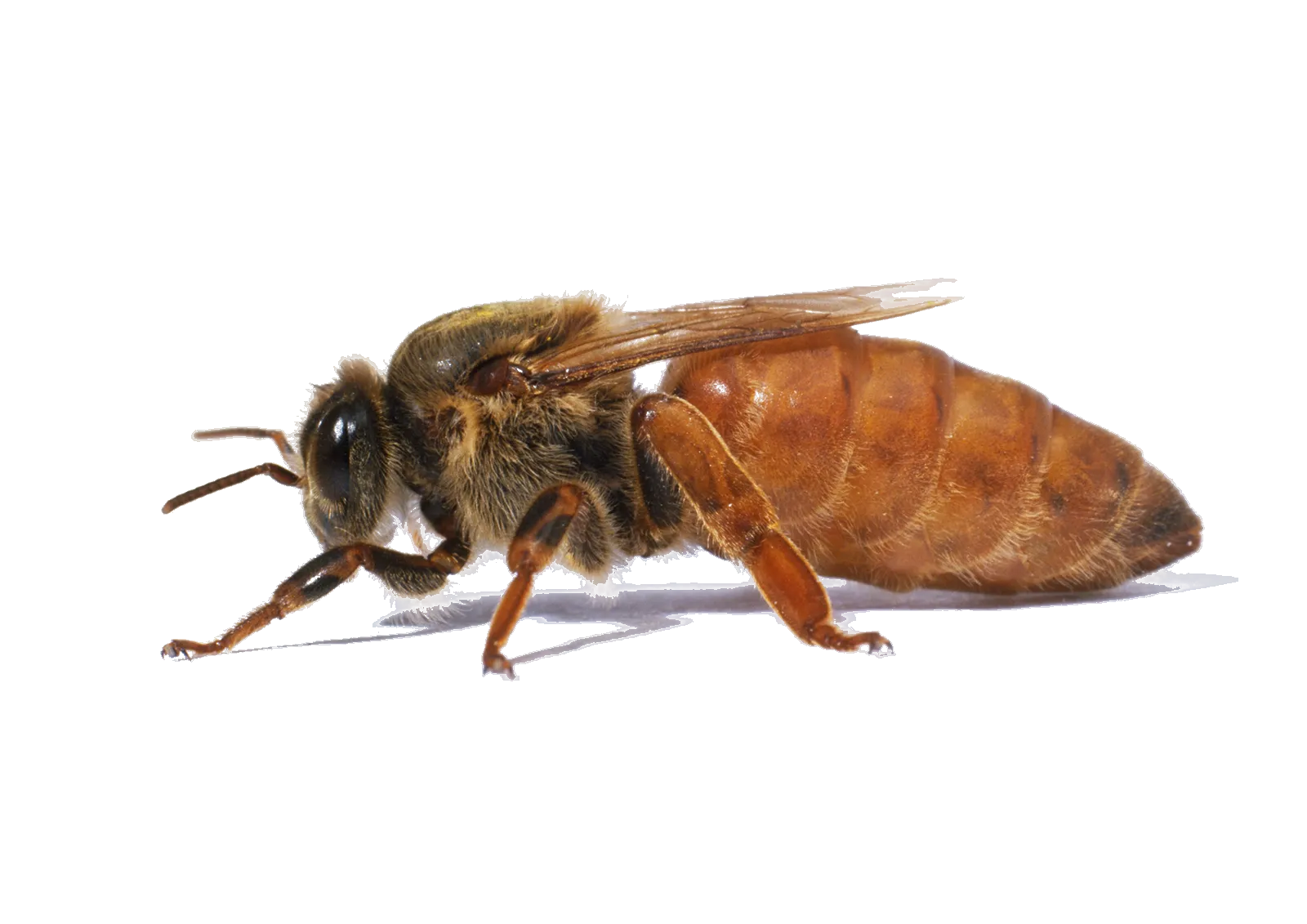
The queen
One per colony. Her role is reproduction. At peak season she lays up to 2,000 eggs per day, each in its own cell, each placed with deliberate accuracy. She can live 3 to 5 years. When she fails or her laying pattern deteriorates, the workers don't wait to be told. They select several young larvae, construct enlarged queen cells around them, and feed those larvae exclusively on royal jelly, a protein-rich secretion that triggers queen development. The first virgin queen to emerge will typically destroy the others before they hatch.
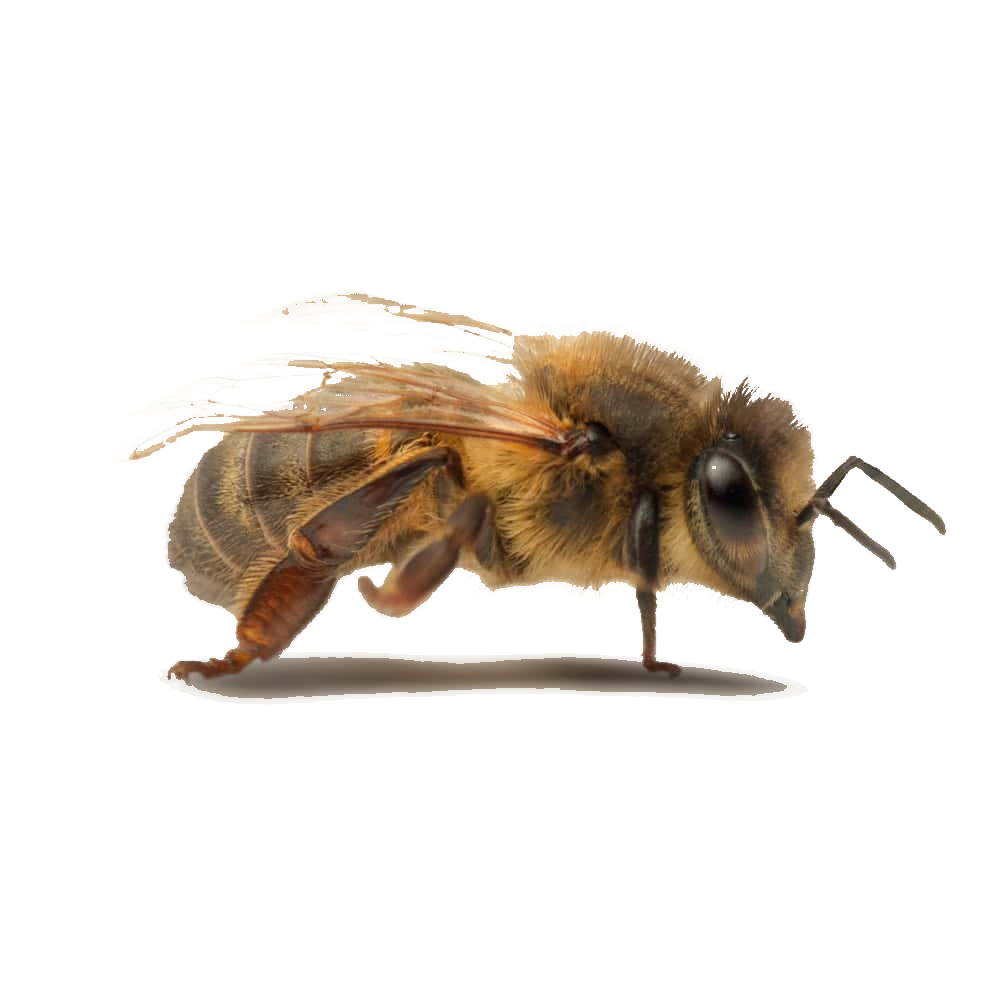
Workers
Every worker is female. Every single one. The drones aside, the entire functional life of the colony — the foraging, the building, the nursing, the defence, the temperature control — is carried out by females.
A worker's role changes as she ages. She begins as a nurse bee, feeding and tending the brood. As she matures she moves to comb building, then to receiving and processing nectar inside the hive, then to guard duties at the entrance. Finally, in the last weeks of her life, she becomes a forager, flying up to 5km in search of flowers. By the time she dies, usually at around six weeks in summer, her wings have simply worn out from the flight hours.
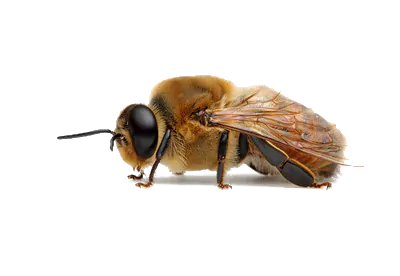
Drones
Male bees. They don't forage, sting, build comb, or contribute to hive maintenance. Their sole function is to mate with virgin queens from other colonies. In autumn, when mating season ends and the colony consolidates for winter, the workers stop feeding them and force them out. They die within days.
Temperature regulation
The brood nest is kept at almost exactly 35°C regardless of external conditions. In summer, bees fan the entrance with their wings and bring in water to cool the hive through evaporation. In cold weather, the colony clusters tightly and worker bees vibrate their flight muscles to generate heat. The cluster contracts or expands as needed to maintain that narrow temperature band. Precise, collective, and entirely without instruction.
Swarming
Swarming is how colonies reproduce at the colony level. When a hive outgrows its space, the old queen departs with roughly half the workers to find a new home, leaving the remaining colony to raise a new queen and continue. The swarm looks chaotic, a dense roiling cloud of tens of thousands of bees. In practice, a swarm that has just left the hive is at its most calm. They have no home to defend, their honey stomachs are full, and their attention is on finding somewhere to land. Left alone, they will move on within hours or days.
For the beekeeper, a swarm represents half the colony and half the season's potential leaving the hive. Managing swarm impulse is one of the central challenges of beekeeping. The approaches are straightforward in principle: ensure the colony always has enough space, split strong colonies before they reach the point of crowding, and replace old comb regularly. A hive that feels uncrowded has less reason to swarm.
When swarming does occur or seems imminent, the beekeeper can perform an artificial swarm, physically separating the queen and a portion of bees into a new box, mimicking what the colony was about to do itself. The bees that remain raise a new queen and the split establishes as a new colony. Done well, it satisfies the swarm impulse without losing the bees.
How honey is made
Honey starts as nectar. A forager bee draws it into her honey stomach — a separate organ from her digestive stomach — visiting between 50 and 100 flowers before flying back to the hive. Here's what happens next.
To produce a single kilogram of honey, a colony flies a combined distance of roughly 90,000km and visits somewhere around four million flowers. That's not a metaphor. It's just arithmetic.